
浙江之源资产评估有限责任公司
A Deep Dive into Commonly Dyed Jewelry and Gemstones
Release time:
2016-07-04
Source:
China Jewelry Industry Network
There are many unscrupulous merchants on the market who, in order to give gemstones a perfect color, use dyes or pigments to artificially treat and alter various jewelry and jade items. Therefore, we must develop keen discerning eyes—compare carefully, look closely, and be vigilant to avoid being deceived!
Dyed jadeite
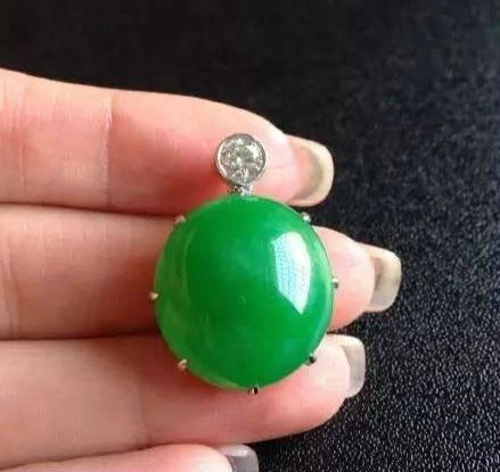
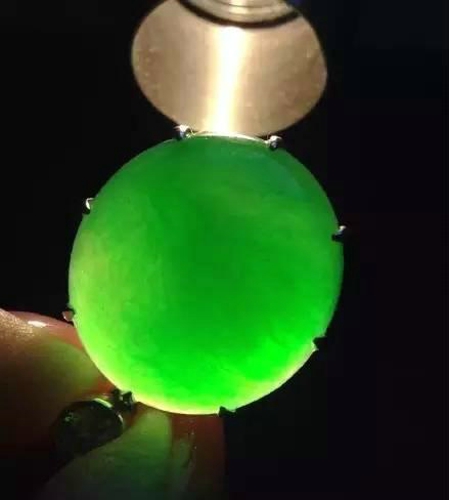
Natural jade has a strong surface luster, and its texture appears continuous and clear when illuminated by light.
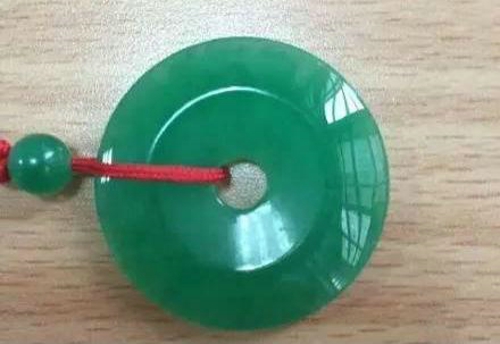
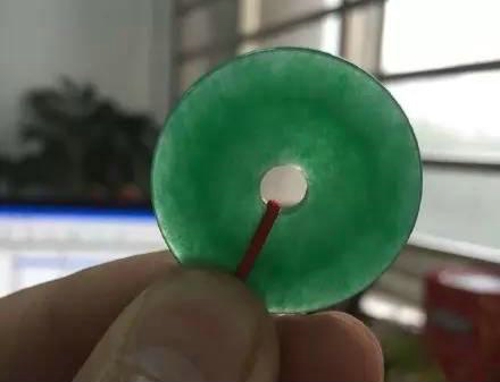
Jade that has been filled with resin and dyed exhibits a luster ranging from resin-like to glass-like; under transmitted light, the deposition of the dye is clearly visible.
Dyed crystal
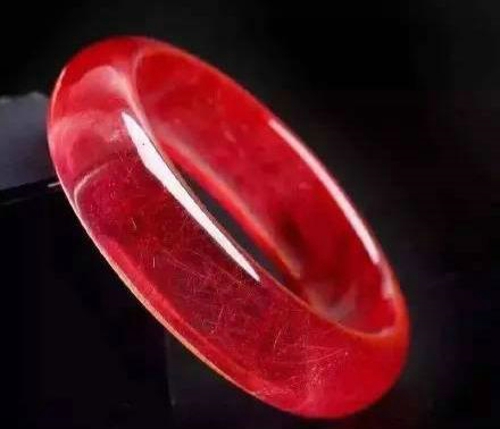
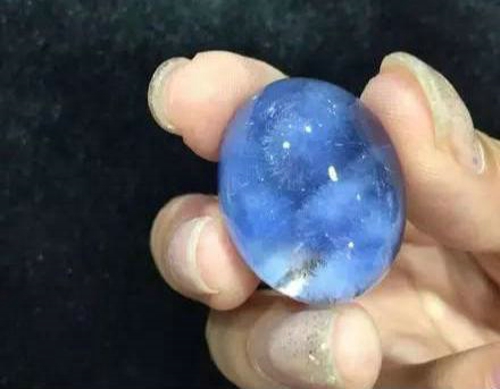
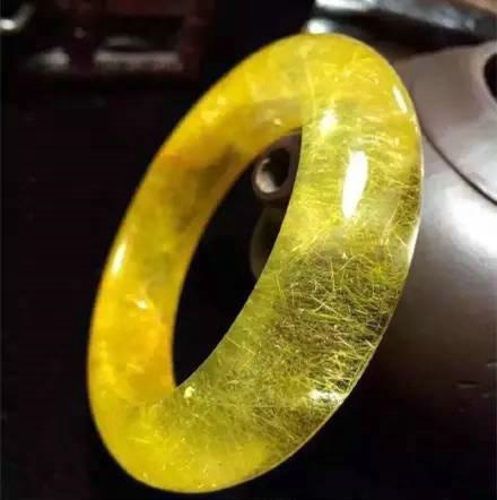
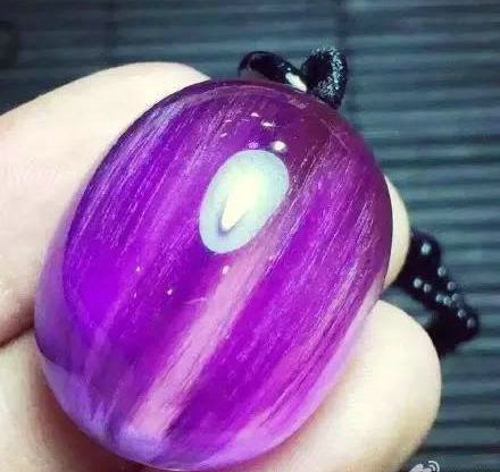
Natural “hair quartz,” “red phantom,” and “rabbit’s fur” dyed varieties, etc.
Crystals all share one common characteristic: they contain natural inclusions. Dyes tend to deposit along these inclusions. Therefore, in order to make the crystals look more appealing, some unscrupulous merchants dye them into various colors.
Identification method: The dye used is excessively vibrant, with color deposited along fractures or tubular inclusions. The surface and edges exhibit a heavier coloration, which can be removed by decolorization with acetone or alcohol!
Dyeing Hetian Jade
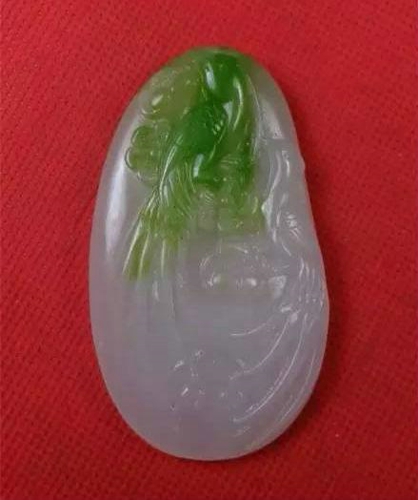
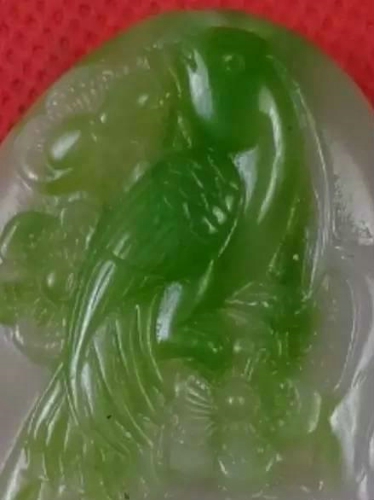
As the popularity of Hetian jade with a white base and green accents surges, so too do the层出不穷 of counterfeits. The Hetian jade pendant with green accents shown in the picture looks impressive at first glance—its green is remarkably vibrant, and its white background is equally appealing—but in reality, it’s been artificially dyed.
Identification method: Examine under magnification. The color should not exhibit any excessive hues. There’s a difference in shade between natural green and dyed green—dyed green tends to be darker. The national standards for dyeing do not specify the treatment applied. Pendants with green hues can differ in price by as much as dozens of times compared to those without green hues.
Dyed coral fossil
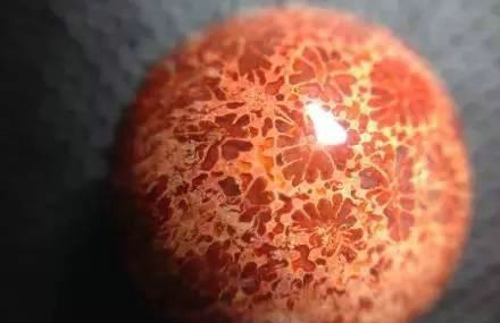
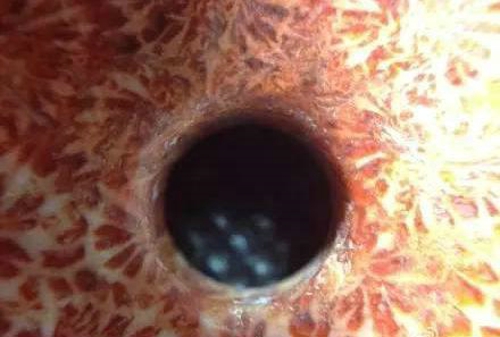
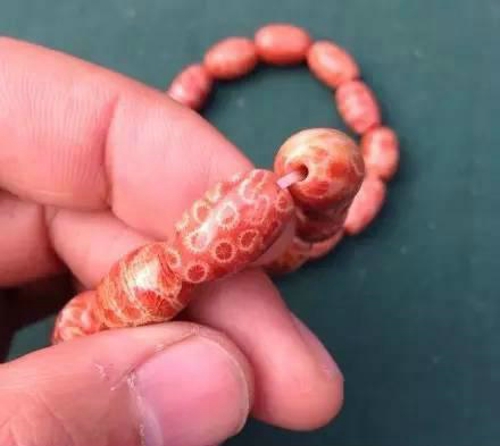
Colored coral fossils are also widely available on the market. To “burn-color” coral fossil specimens, they are first soaked in chemical solutions and then heated, transforming their original grayish-white color into a reddish hue.
Identification method: After being heated, the coral fossil structure becomes dry. Upon magnification, traces of flaking can be observed. The color is relatively uniform, with no obvious overlying variations.
Dyed Lapis Lazuli
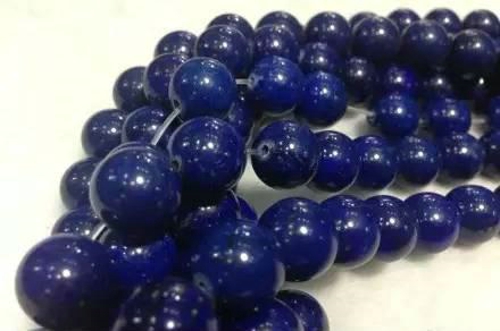
Lapis lazuli that has been dyed and then filled with resin—previously, un-filled dyed lapis lazuli could be distinguished using a decolorizing agent during testing. Now, however, unscrupulous merchants are filling dyed lapis lazuli with resin, making it impossible to remove the color even with such agents.
Identification method: Upon magnification, the surface of resin-filled lapis lazuli appears uneven and non-smooth, with a resin-like texture and crack patterns caused by the aging of the resin.
Dyed cat's eye
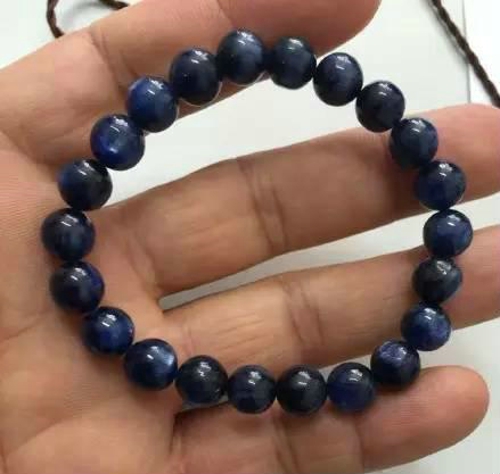
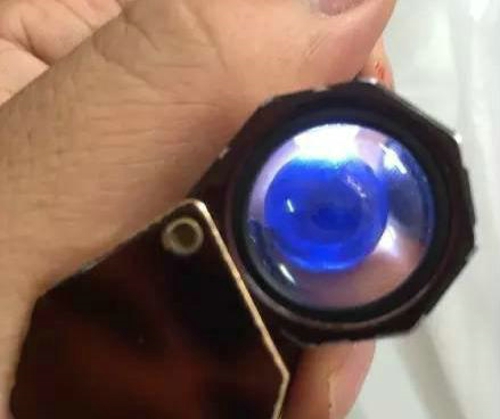
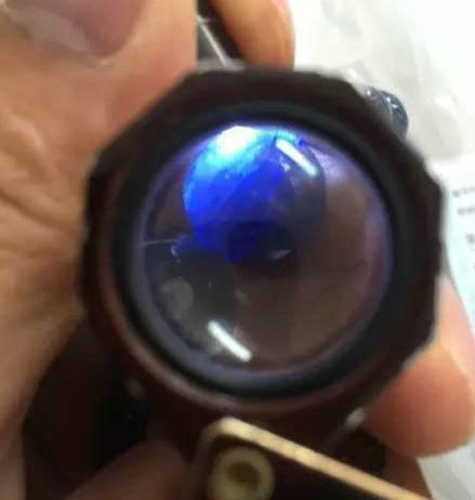
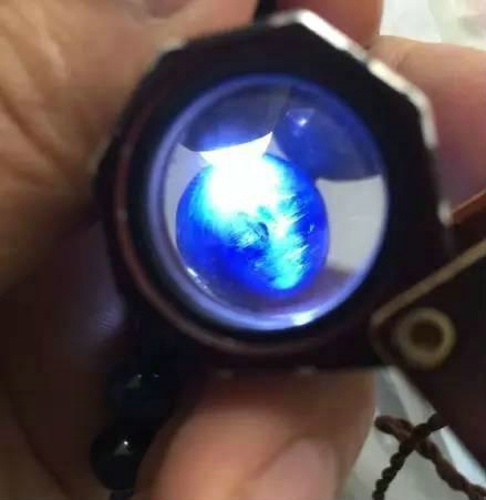
Kyanite exhibits very well-developed cleavage and has numerous fractures. When processing beads, kyanite is typically glued; this is especially true for kyanite cat's-eye stones. Those with poor color often require dyeing.
Identification method: Upon magnification, obvious deposits of filling material and dye are visible within the cracks, and signs of aging on the surface of the adhesive can be observed!
Links:
Address: Room 909, 9th Floor, Science & Technology Building, Eastern Software Park, No. 90 Wensan Road, Hangzhou City, Zhejiang Province Telephone:0571-85115488

Scan with your phone
Open the mobile website