
浙江之源资产评估有限责任公司
A Review of China’s Mining Industry in 2021
Release time:
2022-01-07
Source:
This newspaper’s reporter, Li Ping
With soaring momentum, we’re forging a new path—now is precisely the right moment to soar high and reach new heights.
2021 was a milestone year in the history of the Party and the country. The Chinese people across the nation solemnly celebrated the 100th anniversary of the founding of the Communist Party of China, achieved the first centenary goal, and embarked on a new journey toward the second centenary goal. We calmly responded to unprecedented global changes and the century’s pandemic, took new steps in establishing a new development paradigm, attained new successes in high-quality development, and secured a promising start to the 14th Five-Year Plan.
In 2021, China shone brightly across all sectors, showcasing its strength to the world. As a foundational industry that underpins the development of the national economy, China’s mining sector maintained its rightful dynamism and vitality this year. Geological exploration continued to achieve breakthroughs, the construction of smart mines accelerated rapidly, and green practices have become the defining feature of mining development. The system for high-quality development of the mining industry has steadily matured, and the resilience of related industrial chains has continued to improve.
Practice has proven that the steady development of China’s mining industry has given us the confidence to meet various challenges as we embark on a new journey toward fully building a modern socialist country.
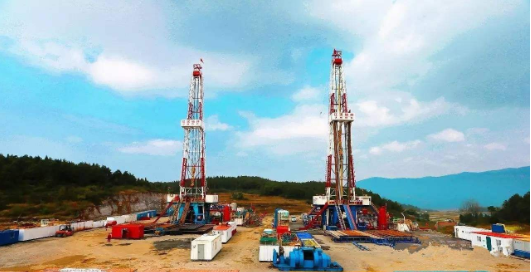
With increased reserves and higher production, the oil and gas sector is now even more confident.
The 14th Five-Year Plan period marks the first five-year phase during which China, having completed the building of a moderately prosperous society in all respects and achieved its first centenary goal, will seize the momentum to embark on a new journey toward fully building a modern socialist country and march forward toward its second centenary goal. Thus, China has entered a new stage of development.
As we examine the global situation, we must also gauge the overall momentum of the world. Looking outward, a transformation of unprecedented magnitude over the past century is accelerating, presenting both opportunities and challenges. Looking inward, China’s development boasts numerous advantages and favorable conditions; yet the issue of unbalanced and inadequate development remains prominent, underscoring both our confidence and our potential.
On October 21, 2021, while inspecting and researching the Shengli Oilfield, General Secretary Xi Jinping visited and extended his heartfelt greetings to the petroleum workers. This year marks the 60th anniversary of the discovery of the Shengli Oilfield. On behalf of the Party Central Committee, Xi Jinping extended sincere greetings to all petroleum workers. Xi Jinping pointed out that the development of petroleum energy is of great significance to our country. As a major manufacturing nation, China must develop its real economy, and we must keep our energy supply firmly in our own hands. He expressed the hope that the petroleum sector will continue to achieve outstanding results and make new contributions.
In 2021, the “Three Oil Companies” focused on their major responsibility of ensuring national energy security, implemented a tough campaign to increase reserves and boost production, and made concerted efforts to further strengthen their capacity to ensure stable oil and gas supplies.
In 2021, domestic exploration efforts exhibited two major trends: a shift toward marine resources and a focus on unconventional resources. Throughout the year, several new shale oil reserves were discovered, and two new oil-and-gas fields—each with reserves exceeding 100 million tons—were found in the Bohai Sea. These developments are highly consistent with China’s exploration strategy for oil and gas resources during the 14th Five-Year Plan period.
China has set forth the “dual-carbon” goals, calling for industrial production to shift toward low-carbon energy consumption, green development processes, and cleaner products. In this new historical era, oil and gas exploration and development efforts are steadily intensifying, with a strong focus on enhancing independent innovation capabilities and improving the ability to translate scientific research into economic benefits. The aim is to establish a core technology system that meets future oil and gas exploration needs, break through existing technological bottlenecks, and achieve upgrades in key technologies as well as digital and intelligent transformation and upgrading.
Preliminary estimates indicate that crude oil production in 2021 will reach 199 million tons, marking a third consecutive year of recovery. Natural gas production is expected to be around 206 billion cubic meters, with output increasing by more than 10 billion cubic meters for the fifth consecutive year. Shale oil production will come in at 2.4 million tons, shale gas production at 23 billion cubic meters, and coalbed methane utilization at 7.7 billion cubic meters—continuing to maintain strong growth momentum... Behind this string of impressive figures lies the true reflection of China's oil and gas fields working hard to stabilize and boost production.
Alongside the increase in production, China’s oil and gas exploration sector has also been reporting one success after another: a newly discovered ultra-large oil-and-gas province in the Fuman area of the Tarim Basin, with reserves estimated at 1 billion tons; the Qingcheng area of the Ordos Basin has confirmed a large-scale shale oil field with reserves of 1 billion tons; the Gulong shale oil field in the Daqing Oilfield is expected to add 1.268 billion tons of predicted geological reserves of oil; and significant breakthroughs have been made in exploration efforts across multiple regions, including the Shahejie Formation shale oil in the Jiyang Depression of the Bohai Bay Basin, the Shunbei New Area in the Tarim Basin, and a new shale gas play within the Wujiaping Formation of the Permian System in the western Hubei and eastern Chongqing regions.
A series of significant discoveries has provided crucial support for boosting and stabilizing oil and gas production, as well as ensuring strategic succession.
In 2021, China strengthened the construction and interconnection of major oil and gas pipeline projects. A total of 25 projects were completed, including the Jianghan-Shaoguan section of the South-to-North Gas Pipeline and the pressure-increasing expansion of the western segment of the West-to-East Gas Pipeline. These projects added 10 million tons per year in crude oil transportation capacity and 40 million cubic meters per day in natural gas pipeline transmission capacity. Before the heating season began, all available storage capacity was fully utilized, and underground gas storage facilities exceeded their injection targets ahead of schedule.
On December 30, 2021, the Changqing Oilfield of China National Petroleum Corporation announced that, as of December 28, the Longdong Oil Region of the Changqing Oilfield—located in Qingyang City, Gansu Province—and its associated mineral rights transfer and cooperative development zone had cumulatively produced 96.972 million tons of crude oil and 380 million cubic meters of natural gas. The oil-and-gas equivalent output has surpassed the 10-million-ton mark for the first time, marking the establishment of a new oil-and-gas production base with an annual capacity of over 10 million tons in China.
While staying committed to our traditional core business, we are also exploring entirely new frontiers. 2021 marked a year of green transformation for China’s oil and gas industry.
Through technologies such as CCUS and geothermal energy, traditional oil and gas companies are beginning to explore green extraction methods: carbon capture for enhanced oil recovery and turning waste into valuable resources. China’s first million-ton-level carbon capture, utilization, and storage (CCUS) project—the Shengli Oilfield CCUS Project—is steadily advancing. With clean heating and low-carbon supply assurance, six geothermal heating projects in Xiong’an New Area, Tangshan, Dezhou, and other regions have been put into operation, adding over 9 million square meters of new heating area—1.6 times the cumulative heating area built by the end of 2020.
Focusing on new energy sources such as photovoltaic, wind power, and hydrogen energy, oil and gas companies are now entering entirely new business arenas. In August 2021, CNOOC announced that during the 14th Five-Year Plan period, it plans to invest between 5 billion and 10 billion yuan annually in new energy businesses. In December, Sinopec Xiong’an New Energy Co., Ltd. and PetroChina Shenzhen New Energy Research Institute Co., Ltd. were established one after another. As they strategically position themselves in new energy, new materials, and the new economy, oil and gas companies are urgently seeking transformation and are determined not to lag behind others.
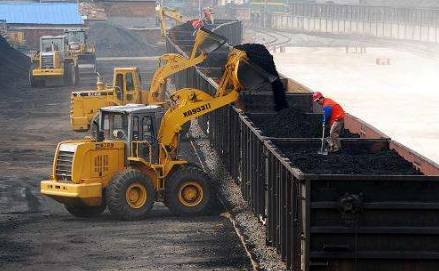
Guaranteed bottom-line support ensures a steady and robust coal industry.
If we talk about the energy hotspots in China in 2021, coal should undoubtedly take the top spot.
In response to some localities’ misconceptions and the “one-size-fits-all” approach of shutting down coal mines and restricting coal production capacity in pursuit of the “dual carbon” goals, the central government promptly corrected these deviations.
On October 8, 2021, the State Council held an executive meeting, calling for the prompt release of production capacity from coal mines with potential for increased output, provided that safe production is ensured. The meeting also urged accelerating the commissioning and reaching full capacity of open-pit coal mines that have already been approved and are largely completed, and promoting the lawful and regulatory compliance of coal mines undergoing suspension and rectification, so that they can resume production as soon as possible.
On October 11, Premier Li Keqiang of the State Council chaired a meeting of the National Energy Commission. Li Keqiang pointed out that development is the foundation and key to solving all problems. China’s energy demand will inevitably continue to grow, and supply shortages represent the greatest source of energy insecurity. Therefore, it is essential to build a modern energy system on the premise of ensuring energy security and to focus on enhancing our capacity for independent energy supply. In light of our energy resource endowment, which is dominated by coal, we must optimize the layout of coal production capacity, rationally develop advanced coal-fired power plants according to development needs, and continue to phase out outdated coal-fired power plants in an orderly manner.
On October 26, the "Action Plan for Peaking Carbon Emissions by 2030," released by the State Council, once again emphasized that coal consumption should be reasonably controlled during the 14th Five-Year Plan period and gradually reduced during the 15th Five-Year Plan period. Coal-fired power generation is positioned as “promoting a transition toward a mix of both basic guarantee and system-regulating power sources.”
The "Opinions of the CPC Central Committee and the State Council on Deepening the Fight Against Pollution," released on November 2, also put forward more specific requirements: while ensuring energy security, we must accelerate the pace of coal reduction and implement initiatives to replace coal with renewable energy sources. During the 14th Five-Year Plan period, coal consumption growth will be strictly controlled; in the Beijing-Tianjin-Hebei region and its surrounding areas, as well as in the Yangtze River Delta region, coal consumption will decline by approximately 10% and 5%, respectively, while coal consumption in the Fenwei Plain will achieve negative growth.
At the 26th United Nations Climate Change Conference held in November 2021, the issue of coal was also a major point of contention among all parties. To such an extent that, right up until the last minute, the wording in the agreement’s text was revised from “phase out” coal by each country to “phase down” coal before the agreement could barely be adopted.
This coal shortage, which suddenly emerged in the first year after the “dual carbon” goals were proposed, serves as a stark warning. However, thanks to the Chinese government’s robust regulatory capabilities, the challenges posed by the short-term coal supply gap are being swiftly addressed.
In 2021, China strengthened its coal supply safeguards, resolutely eliminated unreasonable production restrictions, and accelerated the release of coal mine capacity in a targeted manner, leading to a steady increase in coal production. On November 10, 2021, daily coal dispatch reached 12.05 million tons, hitting a new historical high. Coal production surged in multiple provinces and regions, including Shanxi, Shaanxi, and Xinjiang. In December, the nation's average daily coal output increased by another 2 million tons compared to September, and coal stocks at nationally coordinated power plants rose by 90 million tons from the end of September, surpassing the highest level recorded in 2020.
In 2021, the coal market followed a pattern of “rising first, then falling, then rising again, and finally falling once more,” generally exhibiting an “M”-shaped trend with significant ups and downs and dramatic fluctuations.
In the first month of 2021, coal prices continued the upward trend that had begun at the end of 2020, reaching as high as 1,150 yuan per ton in mid-January. By the end of February, prices had fallen to around 571 yuan per ton—nearly halving. Then, starting in May, prices reversed course once again, climbing back up to 950 yuan per ton. After August 2, prices surged to 1,100 yuan per ton before reversing direction again and falling to 1,030 yuan per ton by August 17. From then on, coal prices stopped declining and began rising steadily, eventually reaching a historic high of 2,600 yuan per ton on October 17. As coal prices continued to move higher, costs for thermal power enterprises soared. Subsequently, under the combined impact of supply assurance efforts and policy interventions, coal prices experienced a sharp, precipitous drop. As of now, coal prices have fallen to 820 yuan per ton. Throughout 2021, during the supply-ensuring phase, a total of five batches of approvals were granted, increasing the production capacity of hundreds of coal mines by approximately 420 million tons in aggregate.
While ensuring stable supply by maximizing coal extraction and production, coal prices have once again stayed true to the development approach of “returning to rationality.” In response to the call for a “commitment to stable supply and fair pricing of thermal coal at Bohai Rim ports this winter and next spring,” the National Energy Group, China Coal Group, Jinneng Holding Group, and Yitai Group collectively pledged to maintain stable prices and secure supply. Meanwhile, numerous enterprises—including Mengtai Group, Huineng Group, and Xinglong Group—have proactively lowered their ex-mine coal prices.
Under the combined influence of rising coal demand and pressure to ensure supply, the coal market is experiencing robust supply and demand during the depths of winter. It is expected that during the Spring Festival period, coal prices will fall to between 600 and 650 yuan per ton.
In the process of ensuring supply and stabilizing prices, China has never relaxed its efforts to ensure safe coal mining production. In 2021, China’s coal mines achieved “two historic best” results in safety production: no particularly serious accidents occurred for 60 consecutive months, and no major gas accidents occurred for 24 consecutive months.
Standing at the historical juncture marking the beginning of the 14th Five-Year Plan, and following the overarching direction of green and low-carbon development while aligning with the goals of peaking carbon emissions and achieving carbon neutrality, the coal industry is set to achieve even greater success on the path toward clean and efficient utilization. Grounded in a development strategy focused on high-end, diversified, and low-carbon approaches, the modern coal chemical industry demonstrated steady and positive performance in 2021: profits from coal-to-olefins increased significantly; coal-to-ethylene glycol turned profitable after years of losses; and coal-to-oil and gas saw substantial reductions in losses. The energy conversion efficiency of new projects has generally improved, while energy and water consumption per unit of product have continued to decline. Taking Shaanxi Province as a pilot region, the coal chemical industry has initiated the process of conducting environmental impact assessments for carbon emissions related to new construction projects.
In terms of coal-fired power generation, China’s coal-fired power units continue to maintain world-leading levels in coal consumption per unit of electricity generated. Furthermore, new targets have been set for the renovation and upgrading of coal-fired power units: by 2025, the average coal consumption per unit of electricity generated from thermal power nationwide will be reduced to below 300 grams of standard coal per kilowatt-hour. During the 14th Five-Year Plan period, the scale of coal-saving and consumption-reducing renovations will reach no less than 350 million kilowatts.
In 2021, significant progress was made in the intelligentization of coal production: unmanned convoy operations of mining trucks at open-pit coal mines were successfully implemented; various new, high-speed tunneling equipment systems were put into field use; construction of the “Coal Intelligence Cloud” big data platform for the coal industry was launched; remarkable results were achieved in the research and application of integrated intelligent technology and equipment for mining thin, hard coal seams; the MineHarmony operating system was released; and smart coal-mining faces featuring “fewer personnel for inspection and no human operators” are moving toward routine application. A smarter, more efficient production approach has become a new hallmark of China’s coal industry.
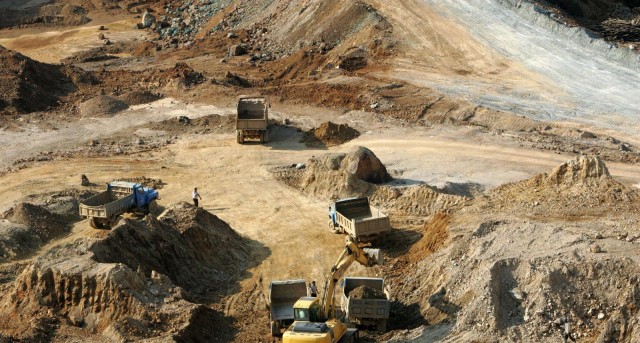
With booming economic conditions, the non-ferrous metals industry is riding high and full of confidence.
At the end of 2021, two landmark events that sent ripples around the globe occurred in China's nonferrous metals sector.
On December 23, 2021, China Rare Earth Group Co., Ltd. (hereinafter referred to as China Rare Earth Group) was officially established and listed in Ganzhou City, Jiangxi Province. The largest shareholder is the State-owned Assets Supervision and Administration Commission of the State Council, holding a 31.21% stake. Chinalco, China Minmetals Corporation, and Ganzhou Rare Earth Group Co., Ltd. each hold 20.33%, while Youyan Technology Group Co., Ltd. and China Iron and Steel Research Institute Group Co., Ltd. each hold 3.90%.
On December 27, 2021, the first-phase project of Zijin Mining’s Tibet Julong Copper Industry was completed and put into operation. Currently, Julong Copper Industry is working on the overall planning for mine development, with a particular focus on the integrated utilization of low-grade resources. The company plans to carry out the second and third phases of the project in stages. If the project receives approval from the relevant government authorities, it could eventually reach an annual ore processing capacity of approximately 200 million tons, making it the largest copper mine in the world in terms of mining and beneficiation scale. Against the backdrop of the global new-energy revolution, which is driving further growth in copper demand, this project will play a positive role in ensuring China’s self-sufficiency in copper resources.
Some say that the emergence of China Rare Earth Group, the world’s super-sized rare-earth giant, will have a significant impact on the global rare-earth landscape.
“Adhere to systems thinking and enhance the capacity to ensure the supply of rare earth products.” Previously, the Ministry of Industry and Information Technology stated that it would appropriately and orderly allocate rare earth exploration and mining rights, intensify efforts to explore the Baogang mine and medium- and heavy-rare-earth resources, accurately ascertain the extent of resource reserves, expand the scale of recoverable resources, coordinate the use of both domestic and overseas resources, further refine the management of total rare earth control indicators, and standardize the management of imported ores and the processing and utilization of industrial waste containing rare earth resources.
Rare earth elements are often referred to as the "vitamins of industry." With the "participation" of rare earths, the performance of traditional materials can be significantly enhanced. At the same time, rare earth elements are essential components of high-tech industries—for example, electronics, lasers, nuclear industry, and superconductivity—none of which can function effectively without the assistance of rare earths.
However, rare earth elements are not “earths” at all—they are actually a collective term for the oxides of 17 lanthanide elements and other similar elements found in nature. Rare earth elements can further be divided into light rare earths and heavy rare earths. Although crucial, rare earth elements are not scarce. The world’s total reserves of rare earth elements amount to roughly 120 million tons. Based on last year’s annual production of 240,000 tons, these reserves could last at least 500 years.
The establishment of the China Rare Earth Group in Ganzhou, Jiangxi Province, further solidifies the emerging dual-leader structure in the rare earth industry—one dominated by northern players and the other by southern ones. As the global high-tech industry continues to develop rapidly, rare earth elements are being increasingly applied in more high-tech fields, and consumption of new rare-earth materials is growing swiftly.
In 2021, the nonferrous metals market saw frequent hotspots, and overall market conditions continued the upward trend that had begun in 2020. In 2021, the global economy rebounded from the pandemic, and China’s economy displayed a “double-stability” situation—steady with strengthening resilience and steadily improving prospects. As a typical pro-cyclical industry, the nonferrous metals sector as a whole experienced an upturn in prosperity. Meanwhile, the booming theme of new energy continued to fuel strong demand for related raw materials, benefiting copper, nickel, aluminum, and other nonferrous metals to varying degrees.
In 2021, the biggest positive factor for metal demand came from the new energy industry. Data shows that from January to November 2021, China’s production and sales of new-energy vehicles reached 3.023 million and 2.99 million units, respectively, representing a year-on-year increase of 1.7 times each. This trend has also driven up sharply the prices of lithium, nickel, cobalt, and other metals related to new-energy batteries.
However, while copper, aluminum, and nickel have benefited from the development of new energy sources, lead—closely associated with traditional lead-acid batteries—has come under significant pressure. Although supply disruptions such as power restrictions and production cuts in mid-year once spurred a rise in lead prices, the magnitude of this increase has been far lower than that of aluminum and zinc. Moreover, in recent years, lead-acid batteries—which account for 80% of lead consumption—have faced growing competition from lithium-ion batteries. As a result, the modest growth in demand has struggled to offset the upward pressure from increased supply, contributing to the relatively subdued performance of lead prices in 2021 and leading market participants to anticipate that the center of gravity for lead prices in 2022 will continue to shift downward.
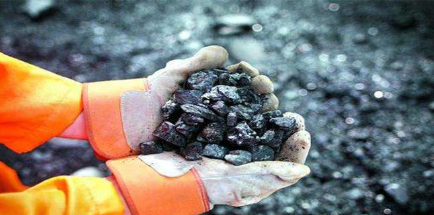
With booming economic conditions, the non-ferrous metals industry is riding high and full of confidence.
At the end of 2021, two landmark events that sent ripples around the globe occurred in China's nonferrous metals sector.
On December 23, 2021, China Rare Earth Group Co., Ltd. (hereinafter referred to as China Rare Earth Group) was officially established and listed in Ganzhou City, Jiangxi Province. The largest shareholder is the State-owned Assets Supervision and Administration Commission of the State Council, holding a 31.21% stake. Chinalco, China Minmetals Corporation, and Ganzhou Rare Earth Group Co., Ltd. each hold 20.33%, while Youyan Technology Group Co., Ltd. and China Iron and Steel Research Institute Group Co., Ltd. each hold 3.90%.
On December 27, 2021, the first-phase project of Zijin Mining’s Tibet Julong Copper Industry was completed and put into operation. Currently, Julong Copper Industry is working on the overall planning for mine development, with a particular focus on the integrated utilization of low-grade resources. The company plans to carry out the second and third phases of the project in stages. If the project receives approval from the relevant government authorities, it could eventually reach an annual ore processing capacity of approximately 200 million tons, making it the largest copper mine in the world in terms of mining and beneficiation scale. Against the backdrop of the global new-energy revolution, which is driving further growth in copper demand, this project will play a positive role in ensuring China’s self-sufficiency in copper resources.
Some say that the emergence of China Rare Earth Group, the world’s super-sized rare-earth giant, will have a significant impact on the global rare-earth landscape.
“Adhere to systems thinking and enhance the capacity to ensure the supply of rare earth products.” Previously, the Ministry of Industry and Information Technology stated that it would appropriately and orderly allocate rare earth exploration and mining rights, intensify efforts to explore the Baogang mine and medium- and heavy-rare-earth resources, accurately ascertain the extent of resource reserves, expand the scale of recoverable resources, coordinate the use of both domestic and overseas resources, further refine the management of total rare earth control indicators, and standardize the management of imported ores and the processing and utilization of industrial waste containing rare earth resources.
Rare earth elements are often referred to as the "vitamins of industry." With the "participation" of rare earths, the performance of traditional materials can be significantly enhanced. At the same time, rare earth elements are essential components of high-tech industries—for example, electronics, lasers, nuclear industry, and superconductivity—none of which can function effectively without the assistance of rare earths.
However, rare earth elements are not “earths” at all—they are actually a collective term for the oxides of 17 lanthanide elements and other similar elements found in nature. Rare earth elements can further be divided into light rare earths and heavy rare earths. Although crucial, rare earth elements are not scarce. The world’s total reserves of rare earth elements amount to roughly 120 million tons. Based on last year’s annual production of 240,000 tons, these reserves could last at least 500 years.
The establishment of the China Rare Earth Group in Ganzhou, Jiangxi Province, further solidifies the emerging dual-leader structure in the rare earth industry—one dominated by northern players and the other by southern ones. As the global high-tech industry continues to develop rapidly, rare earth elements are being increasingly applied in more high-tech fields, and consumption of new rare-earth materials is growing swiftly.
In 2021, the nonferrous metals market saw frequent hotspots, and overall market conditions continued the upward trend that had begun in 2020. In 2021, the global economy rebounded from the pandemic, and China’s economy displayed a “double-stability” situation—steady with strengthening resilience and steadily improving prospects. As a typical pro-cyclical industry, the nonferrous metals sector as a whole experienced an upturn in prosperity. Meanwhile, the booming theme of new energy continued to fuel strong demand for related raw materials, benefiting copper, nickel, aluminum, and other nonferrous metals to varying degrees.
In 2021, the biggest positive factor for metal demand came from the new energy industry. Data shows that from January to November 2021, China’s production and sales of new-energy vehicles reached 3.023 million and 2.99 million units, respectively, representing a year-on-year increase of 1.7 times each. This trend has also driven up sharply the prices of lithium, nickel, cobalt, and other metals related to new-energy batteries.
However, while copper, aluminum, and nickel have benefited from the development of new energy sources, lead—closely associated with traditional lead-acid batteries—has come under significant pressure. Although supply disruptions such as power restrictions and production cuts in mid-year once spurred a rise in lead prices, the magnitude of this increase has been far lower than that of aluminum and zinc. Moreover, in recent years, lead-acid batteries—which account for 80% of lead consumption—have faced growing competition from lithium-ion batteries. As a result, the modest growth in demand has struggled to offset the upward pressure from increased supply, contributing to the relatively subdued performance of lead prices in 2021 and leading market participants to anticipate that the center of gravity for lead prices in 2022 will continue to shift downward.
Links:
Address: Room 909, 9th Floor, Science & Technology Building, Eastern Software Park, No. 90 Wensan Road, Hangzhou City, Zhejiang Province Telephone:0571-85115488

Scan with your phone
Open the mobile website