
浙江之源资产评估有限责任公司
China’s Eleven Key Copper Mines and Their Distribution: Let’s See Which Ones Are “Veterans” and Which Ones Are “Young Guns.”
Release time:
2018-02-03
Source:
As China’s large-scale, important copper mines age, their resource reserves have gradually dwindled, mining depths have steadily increased, and production capacities have become increasingly constrained. However, in recent years, China has also successfully discovered numerous new, significant copper deposits. Below, we’ll list which of China’s key copper mines are “veteran” mines and which are emerging “young upstarts.”
I. A “veteran” copper mine that has been in operation for over fifty years
1. Dexing Copper Mine – 60 Years
The Dexing Copper Mine, located in Dexing City, Shangrao, Jiangxi Province, was established in 1958. It is one of only eight porphyry copper mines in the world with reserves exceeding 8 million tons, and also the largest open-pit copper mine in Asia. Currently, it serves as the flagship mine of Jiangxi Copper Corporation.
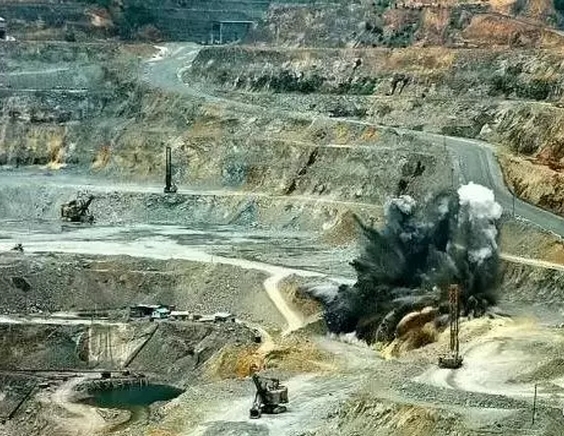
The Dexing Copper Mine has confirmed copper ore reserves of 1.63 billion tons, with current proven reserves standing at 1.32 billion tons and a copper metal content exceeding 5 million tons. The mine currently processes 130,000 tons of ore per day, producing annually over 150,000 tons of copper concentrate containing copper, 5 tons of gold, and 25 tons of silver. The average grade of the copper concentrate exceeds 24%. Among these, the mine’s copper production accounts for approximately one-tenth of the nation’s total, ranking first nationwide. Moreover, several key economic and technical indicators, including copper metal content, have consistently ranked first in the domestic industry for over 20 consecutive years.
According to data released by Jiangxi Copper, from January to November 2017, the Dexing Copper Mine had cumulatively processed 41.6 million tons of raw ore, produced 143,290 tons of copper concentrate containing copper, and achieved a copper concentrate grade of 24.521%.
2. Duobao Mountain Copper Mine – 60 Years
The Duobaoshan Copper Mine in Heilongjiang Province was established in 1958. In 2016, Zijin Mining completed the acquisition of the 49% stake held by other shareholders of Heilongjiang Duobaoshan Copper Industry, thereby gaining full ownership of the mine.
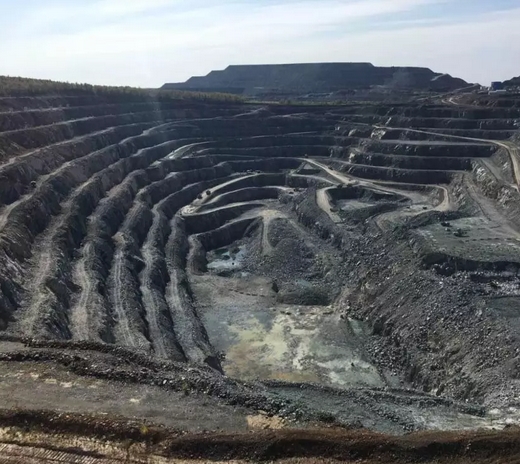
The Duobaoshan copper deposit in Heilongjiang Province is a super-large porphyry copper-molybdenum deposit. It ranks as the third-largest copper deposit in China and consists of four ore belts containing a total of 215 ore bodies. The total reserves of ore at grades B+C+D across the entire mining area amount to 507.84 million tons, and the deposit hosts more than 40 different mineral species.
Metal grades: Copper 0.47%, molybdenum 0.016%, gold 0.144 grams per ton, silver 2.059 grams per ton; metal quantities: copper 2.37 million tons, of which approximately 100,000 tons are surface oxide copper reserves. Molybdenum 80,000 tons, gold 73.4 tons, and silver 1,046 tons. Primary ore accounts for 98% of the ore body, while oxide ore makes up 2% (not included in the total reserves).
Currently, the plant processes 9 million tons of ore annually through open-pit mining.
3. Donggua Mountain Copper Mine – 52 years
Donggua Copper Mine is a key mine under Tongling Nonferrous Metals, located in the eastern outskirts of Tongling City. It was first planned in 1958 and completed and put into operation in 1966.
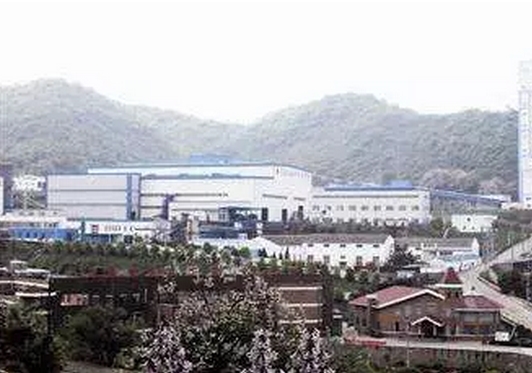
The Dongguashan copper mine has confirmed geological reserves of 102.18 million tons, with a copper metal content of 1.0468 million tons, accounting for 40% of Anhui Province's confirmed copper ore reserves. Since its establishment, the Dongguashan copper mine has cumulatively produced 330,300 tons of copper concentrate and 7,202.9 kilograms of gold.
In 2017, the Dongguashan copper mine achieved a copper production of 32,000 tons.
4. Jinchuan Copper-Nickel Mine—Over 50 Years
The Jinchuan Copper-Nickel Mine is located in Jinchang City, Gansu Province. Originally known locally as “Baijiazui Zi,” it is now a mine owned by the Jinchuan Group. The Jinchuan Mine completed a detailed exploration of its ore deposit in 1974. In the 1960s, the Jinchuan Nickel Mine was built and put into operation. It is one of China’s three major polymetallic coexisting deposits, ranking first nationwide in nickel and cobalt production and serving as a major source of platinum metals in China.
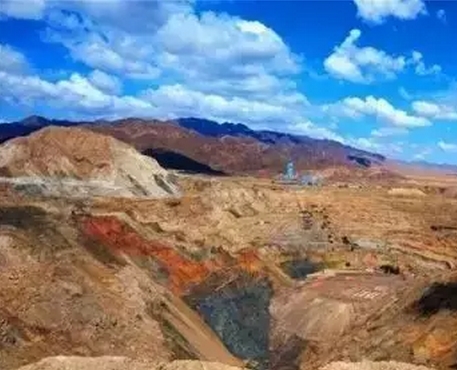
As of the 1990s, the cumulative proven metal reserves at the Jinchuan copper-nickel mine were: 5.4789 million tons of nickel, with nickel grades ranging from 0.55% to 5.29%, and an average grade of 1.07%; and 3.465 million tons of copper, with grades ranging from 0.33% to 1.32%, and an average grade of 0.67%. Currently, the copper production capacity is approximately 60,000 tons per year.
Two: The “Young and Energetic” Copper Mine
1. Asherle Copper Mine – 16 years
The Asher Copper Mine is located in Habahe County, Altay Region, Xinjiang. Construction of the mine began in 2009, and it was completed and put into operation in 2004 by Xinjiang Asher Copper Industry Co., Ltd. (the company was established through investment by five parties, including Zijin Mining, Xinjiang Nonferrous Metals, and Xinjiang Bureau of Geology and Mineral Resources.)
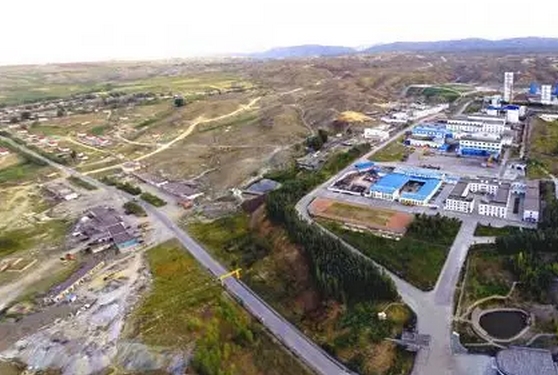
The mine’s geological reserves, as reviewed and approved by the Ministry of Natural Resources, are as follows: 919,400 tons of copper metal with an average grade of 2.43%; 408,300 tons of associated zinc metal with an average grade of 1.08%; 18 tons of gold; and 1,174 tons of silver. In 2016, the mine’s annual copper production exceeded 40,000 tons.
2. Delni Copper Mine – 12 years
The Delni Copper Mine is located 30 kilometers south of Maqin County, Golog Prefecture, in the southeastern part of Qinghai Province. Construction began in August 2004 and the mine was completed and put into operation in November 2006. The project is developed by Qinghai Wester Copper Industry Co., Ltd., a wholly-owned subsidiary of Zijin Mining.
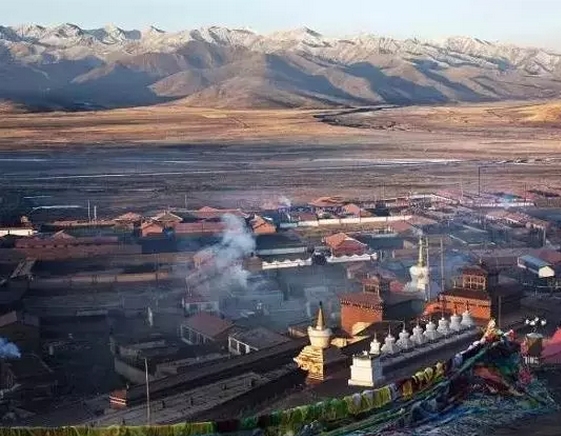
The Derni copper mine currently has proven copper reserves of 540,000 tons and cobalt reserves of 29,000 tons. Upon completion, the project will have an annual processing capacity of 300,000 tons of ore, producing 14,500 tons of copper concentrate and 1,955,000 tons of sulfur concentrate per year. According to Wester data, copper production in 2016 was 14,900 tons.
3. Yulong Copper Mine – 10 years
The Yulong Copper Mine is a copper deposit located in Qingnidong Township, Jiangda County, Chamdo Prefecture, Tibet Autonomous Region. It ranks second in China in terms of copper reserves. In May 2005, Tibet Yulong Copper Industry Co., Ltd. was established in Chamdo. In October 2008, the first-phase, first-stage project of the Yulong Copper Mine was completed and put into operation.
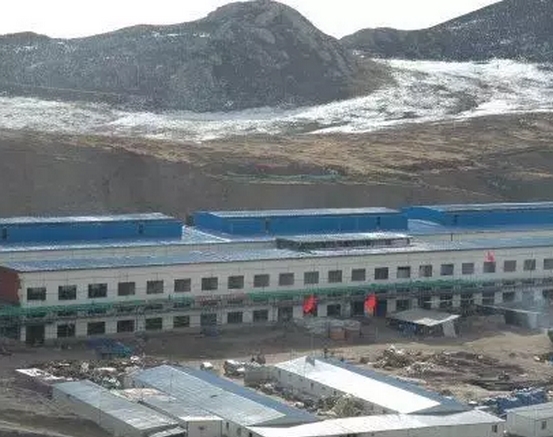
The Qulong copper mine has confirmed copper reserves totaling 7.9488 million tons. The first-phase production capacity is 30,000 tons, with the first-phase stage-one production capacity at 10,000 tons. The second phase will have a production capacity ranging from 50,000 to 100,000 tons, and the estimated investment for this phase exceeds 3 billion yuan.
4. Jiamu Copper Mine in Tibet – 8 years
Located in Zheri Mountain, Pulang Gou, Subu Village, Zhaxigang Township, Mêdog County, Lhasa City, the Jiamada Copper Mine went into operation in July 2010. The copper and polymetallic ore development here is being carried out by Tibet Huatailong Mining Development Co., Ltd., a subsidiary of China Gold Group.
Jiama, in Tibetan, means “a prosperous land chosen from among a hundred.” According to relevant data, the Jiama copper mine has proven and controlled resources totaling 148 million tons, and the confirmed and inferred copper reserves have increased to 441 million tons, with copper content rising to 6.138 million tons. The open-pit mine is expected to remain economically viable until 2039, while the underground mine is projected to remain operational until 2049. Currently, its production capacity stands at 6,000 tons per day.
5. Tinggong Copper Mine – 6 years
In October 2012, the mining expansion project and the 5,000-ton electrolytic copper construction project for the Nimu County Tinggong Copper Mine—both with a total investment of 490 million yuan—began construction in Penggang Village, Nimu County.
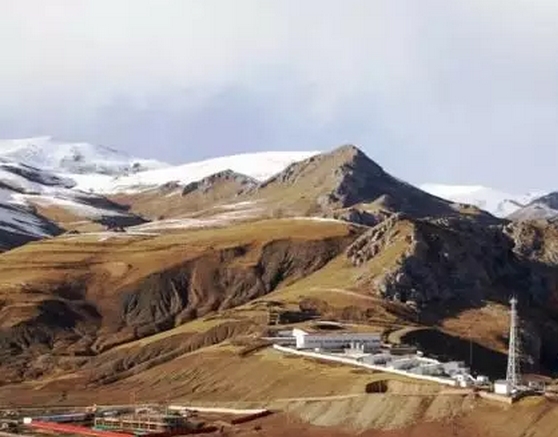
As of December 31, 2011, the copper mineral resource reserves in the Ningmu County Office of the Tibet Autonomous Region were as follows: the total copper metal resource amounted to 1.3735 million tons; the proven reserves of oxidized copper ore totaled 61,469,780.7 tons, with a copper metal content of 237,181 tons and an average grade of 0.4628%. Additionally, the associated molybdenum metal resources amounted to 7,066 tons, the associated gold metal resources totaled 4.35 tons, and the associated silver metal resources reached 234.81 tons.
6. Pulang Copper Mine – Less than 1 year
The Pulang Copper Mine is located in Gezha Township, Shangri-La City, Diqing Tibetan Autonomous Prefecture, Yunnan Province. It began trial operations with material input on March 16, 2017. This project represents the largest resource-related investment made in recent years by China Nonferrous Metals Corporation and Yuntong Group (Note: Yuntong Group is affiliated with China Nonferrous Metals Corporation, which in turn is part of Aluminum Corporation of China).

It is reported that the Pulang copper mine has confirmed reserves of 4.8 million tons of copper, 145 tons of gold, 2,754 tons of silver, and 190,000 tons of molybdenum. The total ore tonnage of the copper mine amounts to 2,795.113 million tons, with a total copper metal content of 1,437,570 tons and an average grade of 0.51%.
The Plang Copper Mine project is planned to produce 12.5 million tons of copper ore annually, with a concentrate containing 44,000 tons of copper. Its reserves and output will rank among the top ten copper mines in China, and its concentrate production will account for more than one-third of Yunnan Copper Group’s total concentrate output.
7. Chulong Copper Mine — Under Construction
The Chulong copper mine will be developed by Tibet Julong Copper Industry Co., Ltd. According to the geological exploration report on the Chulong mining area in Mêdog County, Tibet Autonomous Region, submitted by the company in December 2007 and verified by the Resource Reserves Assessment Center of the China Mining Association in Beijing, the reserves include 779.9 million tons of industrial ore (Cu content: 0.475%) and 1,099.31 million tons of low-grade ore (Cu content: 0.317%), totaling 7.19 million tons of copper metal.
This copper belt is an important copper ore belt recently discovered in China. The deposit within this belt is the most significant ultra-large-scale orebody and currently represents China’s largest porphyry copper-molybdenum deposit.
The project is currently under construction.
From this, it can be seen that China’s major large-scale copper mines in the future will all be located in Tibet, a plateau region. Copper mines with production capacities of tens of thousands of tons are primarily concentrated under the umbrella of major metal groups. Among them, Jiangxi Copper holds three mines (Dexing, Chengmenshan, and Wushan); Zijin Mining operates four mines (Zijinshan, Duobaoshan, Asheler, and Delni); China Gold Group owns three mines (Wunugutu Mountain, Hubei Sanxin, and Jiamama); Yunnan Copper Group controls two mines (Dahongshan and Lala); and Tongling Nonferrous Metals (Dongguashan) also has its presence. In the future, China’s key copper mining areas will shift toward the western regions.
Links:
Address: Room 909, 9th Floor, Science & Technology Building, Eastern Software Park, No. 90 Wensan Road, Hangzhou City, Zhejiang Province Telephone:0571-85115488

Scan with your phone
Open the mobile website